Category: psychology
-
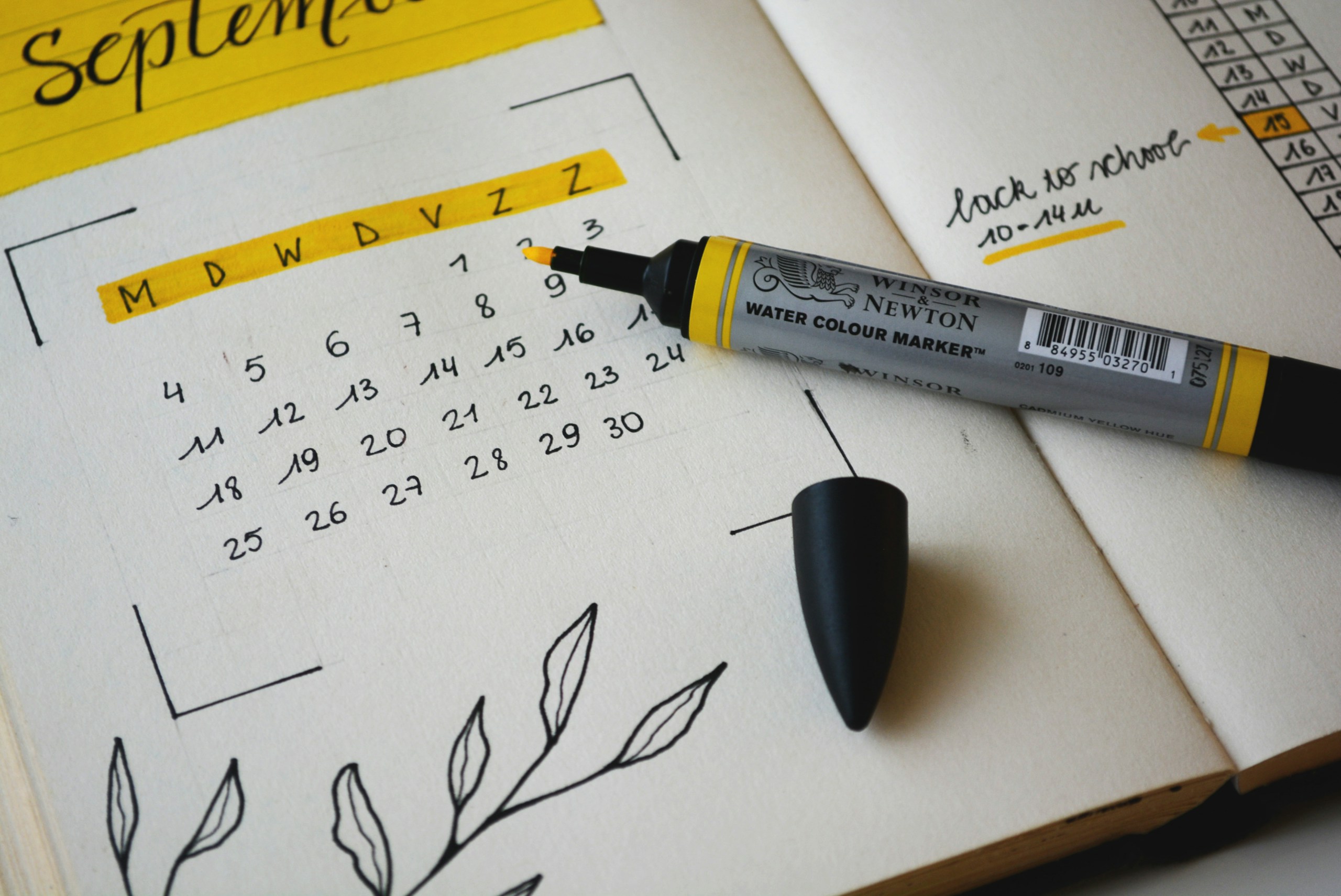
100 More Things #122: PEOPLE MAKE DECISIONS AT CERTAIN CALENDAR EVENTS
You may want to pay attention to the month, day, and year that you advertise, promote, or recommend certain services or products. There are certain times in the calendar year, as well as certain years in life, when people are more disposed to making decisions and life changes. If you time your messages, events, and…
-
100 More Things #121: THE SURPRISING EFFECTS OF STRESS ON DECISION-MAKING
Josephine is the director of marketing at a genetics company. She loves her job, but it’s very stressful. She’s in charge of a new product launch, and the deadline is approaching. One of her best team members had to take a leave of absence for a medical emergency and she doesn’t know when he’ll be…
-
100 More Things #120: CHUNKING AND MOTOR MOVEMENT CAN SPEED UP THE CONFIDENCE DECISION LOOP
Since the research shows that if it takes a long time to make a decision then people might not make the decision at all, is it possible to change the perception of certainty or the elapsed time to get people out of this loop and encourage a decision? The answer is yes, and here’s how…
-
100 More Things #119: CONFIDENCE TRIGGERS DECISIONS
Why do people seem to make some decisions slowly and but other decisions are made quickly? You might speculate that if the decision is something small and insignificant, like what to order at a restaurant, they will make the decision quickly, but if they’re deciding something large and important, like whether or not to move…
-
100 More Things #118: WHEN FACED WITH A COMPLEX DECISION, PEOPLE FOLLOW THEIR FEELINGS
You’ve probably had the experience of having to make a complex decision and getting advice like, “Don’t let your feelings get in the way of making a good decision.” Many people think the best way to make a complex decision is to rule out feelings. As a designer, this idea that feelings get in the…
-
100 More Things #117: PEOPLE CHOOSE WHAT’S BRIGHTEST
Let’s say you’re the designer for an online grocery store. You’re designing the product pages for a website or phone app. The people who will be using these product pages shop at the online store regularly. They’re familiar with the products, and they have preferences for particular products and particular brands. There could be a…
-
100 More Things #116: PEOPLE MAKE DECISIONS WITH SYSTEM 1 (TRUTHINESS) THINKING
Stephen Colbert, an American political satirist, coined the term “truthiness” during the pilot of his program The Colbert Report. Colbert described truthiness as knowing in your gut that something is true as opposed to knowing through facts, logic, or evidence. The word “truthiness” caught on— you can now find entries for it in online reference…
-
100 More Things #115: PEOPLE ACT BASED ON OBJECTS
In the 1970s and 1980s Xerox Parc was a center for research on human behavior that impacts technology design. One of the research questions was how do people behave in physical environments, and how should that impact the design of computer technology? Xerox Parc researchers brought children into a room with toys and observed their…
-
100 More Things #114: MUSIC EVOKES MEMORIES AND MOODS
We’ve all had the experience of hearing a song and being transported in memory to some time in the past. Research on music and memory shows that certain songs (or even words to a song) stimulate neuron firings of certain memory traces. Music activates more areas in the brain than any other sensory stimulus. The…
-
100 More Things #113: REPETITION STRENGTHENS SOME MEMORIES
Autobiographical and flashbulb memories are subject to change, but other kinds of memories resist change if they’re repeated enough. Memorizing Facts Semantic memory is memory of facts. “Is Paris the capital of France?” is a question that uses semantic memory. So is “What is 9 x 6?” Once semantic memory is set, it’s not subject…