Author: Susan Weinschenk
-
100 More Things #134: PEOPLE ARE READY TO MOVE ON FROM “OLD” MEDIA
Here’s something that’s at least a little ironic: if reading is so unnatural, maybe we should let it go. I say ironic because I’m an author. I write books with words in them and assume (and hope) that people will read them. So it doesn’t really make much sense for me to say that we…
-
100 More Things #133: THE MULTISENSORY EXPERIENCE OF PHYSICAL BOOKS IS IMPORTANT TO READING
Many people now do some of their reading (as defined in the section above) on paper and some on an electronic device. The world seems split these days between people who like reading physical books and those who prefer reading on a device. Even with e-readers that use electronic ink and therefore have a different…
-
100 More Things #132: READING ONLINE MAY NOT BE READING
One of the ideas I talk about a lot when I give keynotes is that technology changes quickly but humans don’t. Most of the ways that people’s eyes, ears, bodies, and brains work has come about from eons of evolution. And these aren’t likely to change quickly. I did say most. Reading is an exception.…
-
100 More Things #131: PEOPLE READ ONLY 60 PERCENT OF AN ONLINE ARTICLE
That is, if they read it at all. Clicking Doesn’t Mean Reading As the CEO of Chartbeat, a company that analyzes real-time web analytics, Tony Haile (2014) has seen a lot of data on what people are doing online. In the advertising world, clicks were king for a long time. A lot of money has…
-
100 More Things #125: CURRENT EMOTIONAL STATES HAVE OUTSIZED INFLUENCE
People are strongly influenced by the emotional state they are in. Later, when thinking back on an event, they may not remember how emotionally charged they were in the moment. This may lead to inconsistent predictions about future behavior. Research by Morewedge (2005), Ariely and Lowenstein (2006) and Wilson (2003) shows that memory of emotions,…
-
100 More Things #124: BRAIN ACTIVITY PREDICTS DECISIONS BEFORE THEY’RE CONSCIOUSLY MADE
Imagine you’re scanning music on your smartphone to decide what to listen to next. You’re looking at a list of songs. You decide which song you want, and then you move your finger to touch the name of the song to start it playing. What’s so interesting about that? What’s interesting is that your description…
-
100 More Things #123: PEOPLE MAKE DECISIONS BASED ON SPECIFIC MEMORIES
Let’s return to Jim, who was looking into buying a new car. He’s debating whether to get a small budget sedan or a larger sport utility vehicle with lots of bells and whistles. Psychologists have had two competing theories—the prototype theory and the exemplar theory—about how people think about decisions like these. The prototype theory…
-
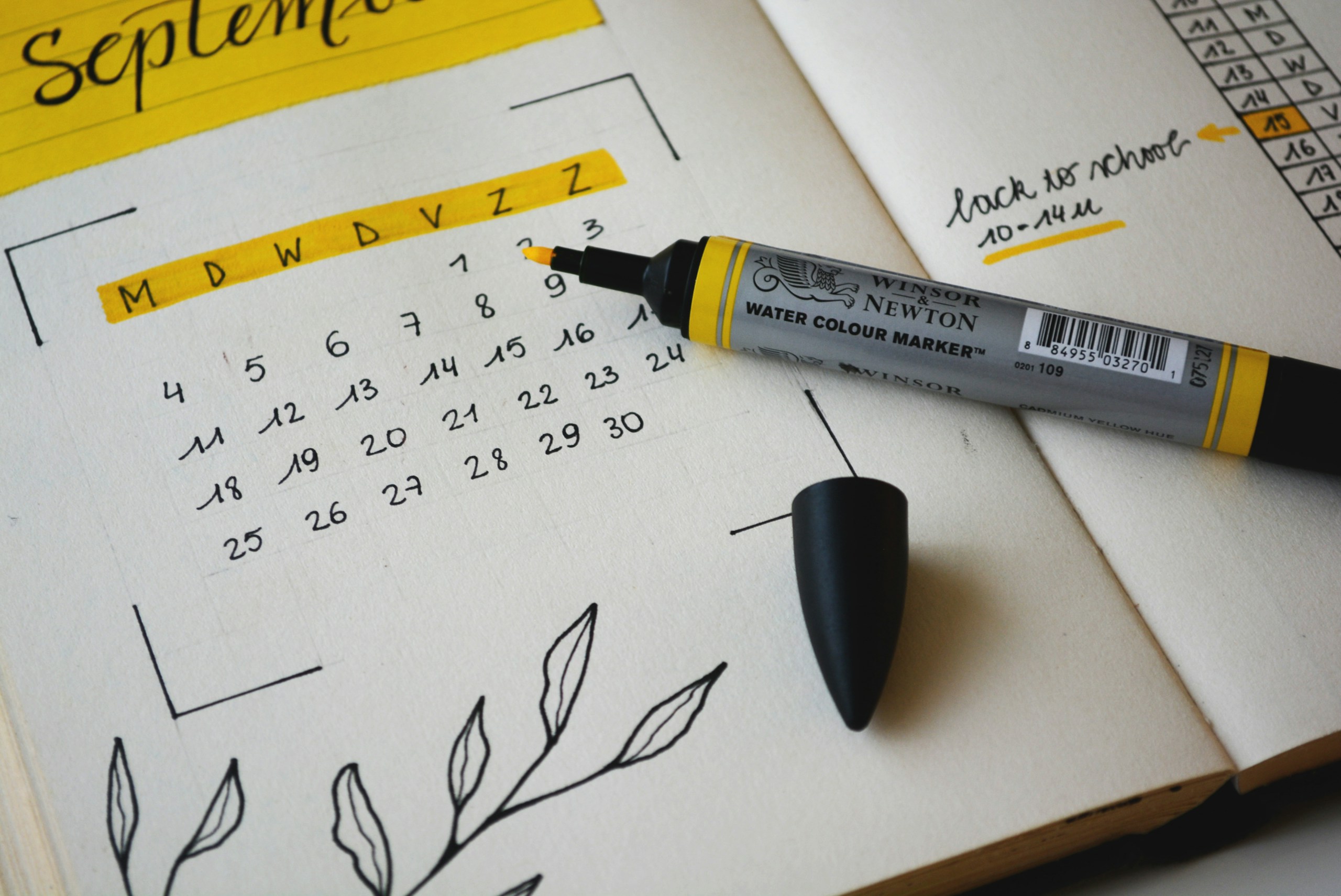
100 More Things #122: PEOPLE MAKE DECISIONS AT CERTAIN CALENDAR EVENTS
You may want to pay attention to the month, day, and year that you advertise, promote, or recommend certain services or products. There are certain times in the calendar year, as well as certain years in life, when people are more disposed to making decisions and life changes. If you time your messages, events, and…
-
100 More Things #121: THE SURPRISING EFFECTS OF STRESS ON DECISION-MAKING
Josephine is the director of marketing at a genetics company. She loves her job, but it’s very stressful. She’s in charge of a new product launch, and the deadline is approaching. One of her best team members had to take a leave of absence for a medical emergency and she doesn’t know when he’ll be…
-
100 More Things #120: CHUNKING AND MOTOR MOVEMENT CAN SPEED UP THE CONFIDENCE DECISION LOOP
Since the research shows that if it takes a long time to make a decision then people might not make the decision at all, is it possible to change the perception of certainty or the elapsed time to get people out of this loop and encourage a decision? The answer is yes, and here’s how…